How the $129M SR 303 Expansion Could Shape Arizona Housing
By Olga Boyke, Your Arizona Realtor
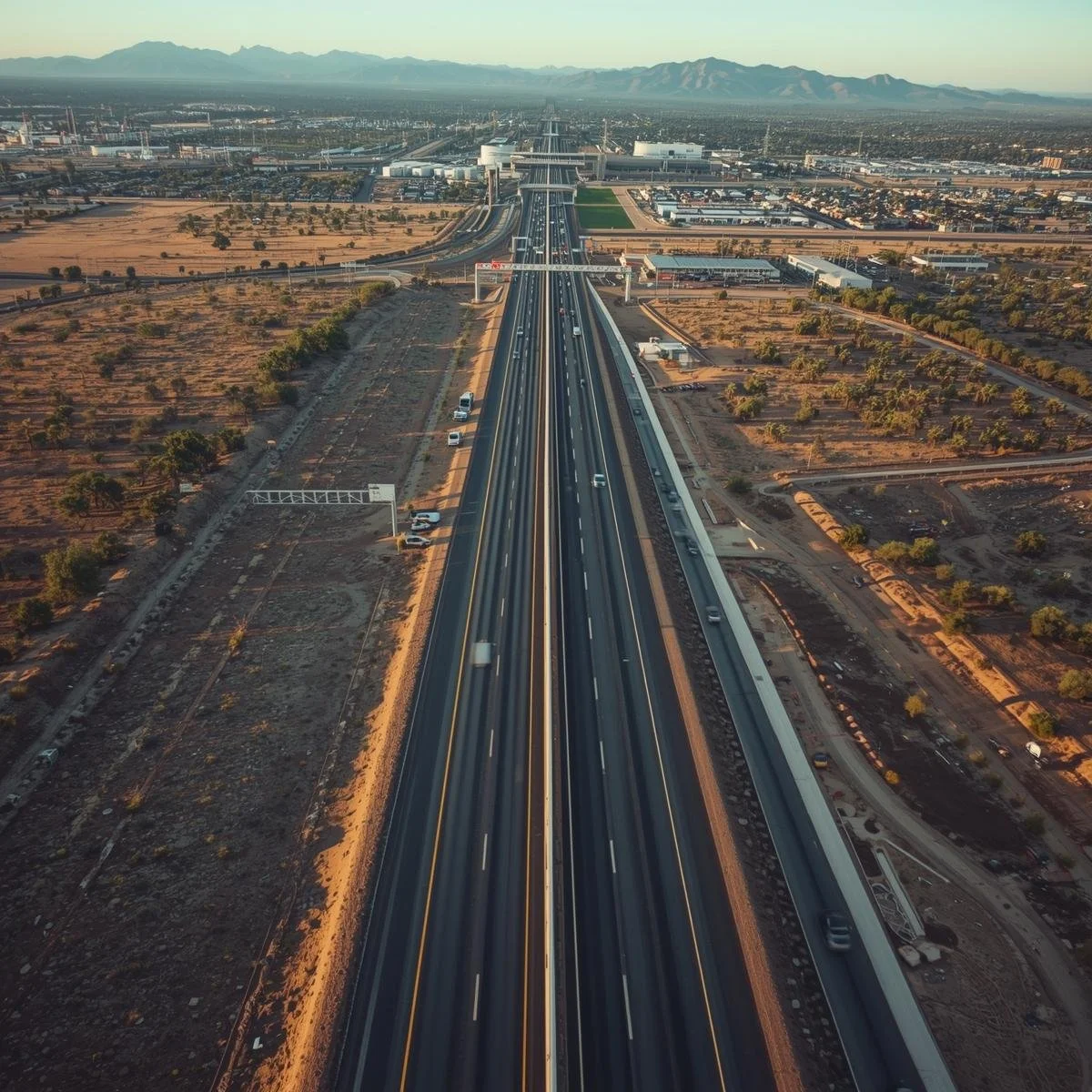
Arizona continues to send a clear message about where it is headed, and the latest move from ADOT reinforces it. The Arizona Department of Transportation has awarded a $129 million contract to Pulice Construction to expand and improve State Route 303L in northwest Phoenix. This stretch of freeway sits right next to the massive TSMC semiconductor facility, one of the most important economic developments the state has seen in decades.
This is not just a road project. It is a long-term investment in mobility, safety, and growth for the northwest Valley, and it has real implications for homeowners, buyers, and investors watching where Arizona is expanding next.
Why this project matters beyond traffic
The SR 303 improvements will widen the freeway, add four new directional interchange ramps, build five bridges, and upgrade drainage, sound walls, and pavement. Construction is expected to begin in early 2026 and continue through 2028. The goal is simple but powerful: prepare the region for the next wave of growth.
Infrastructure almost always comes before housing demand accelerates. When the state commits this level of funding, it signals confidence in sustained job creation and population growth. With TSMC bringing thousands of high-paying jobs to the area, the surrounding communities will need better transportation to support employees, suppliers, and new residents.
What this means for Arizona real estate
Northwest Phoenix, along with nearby areas like North Peoria, Surprise, and parts of Glendale, has already been on a growth trajectory. This project strengthens that momentum. Improved freeway access typically leads to increased demand for housing, retail, and services, especially when paired with a major employer like TSMC.
For buyers, this could mean more opportunity now, before prices fully reflect the long-term impact of infrastructure and job growth. For homeowners, especially those already in the northwest Valley, this kind of investment often supports property values over time by improving accessibility and livability. For investors, it highlights a corridor that is being actively prepared for sustained expansion rather than short-term growth.

A longer-term play, not an overnight change
Like most major infrastructure projects, the benefits will roll out over several years. Construction will take time, and traffic patterns may be inconvenient at points along the way. But Arizona has a strong track record of seeing these projects translate into economic and housing growth once they are completed.
What matters most is that the state is planning ahead. ADOT is not reacting to congestion after it becomes unmanageable. It is positioning the region to handle future demand tied to advanced manufacturing, population growth, and long-term economic stability.
This project fits into a broader trend we are seeing statewide. Arizona continues to invest heavily in infrastructure around key employment hubs. Roads, utilities, and planning are aligning with where jobs are being created, and that alignment is critical for a healthy housing market.

For anyone considering a move, a purchase, or an investment in Arizona, paying attention to where infrastructure dollars are going is just as important as watching interest rates or home prices. Transportation projects like this often shape tomorrow’s most desirable neighborhoods.
If you want to understand how developments like the SR 303 expansion could affect your buying or selling strategy, or which areas may benefit most from Arizona’s continued growth, I am always here to help you navigate the market with clarity and confidence.